

Photo: Dutza K. · CC BY 4.0 · 1/3
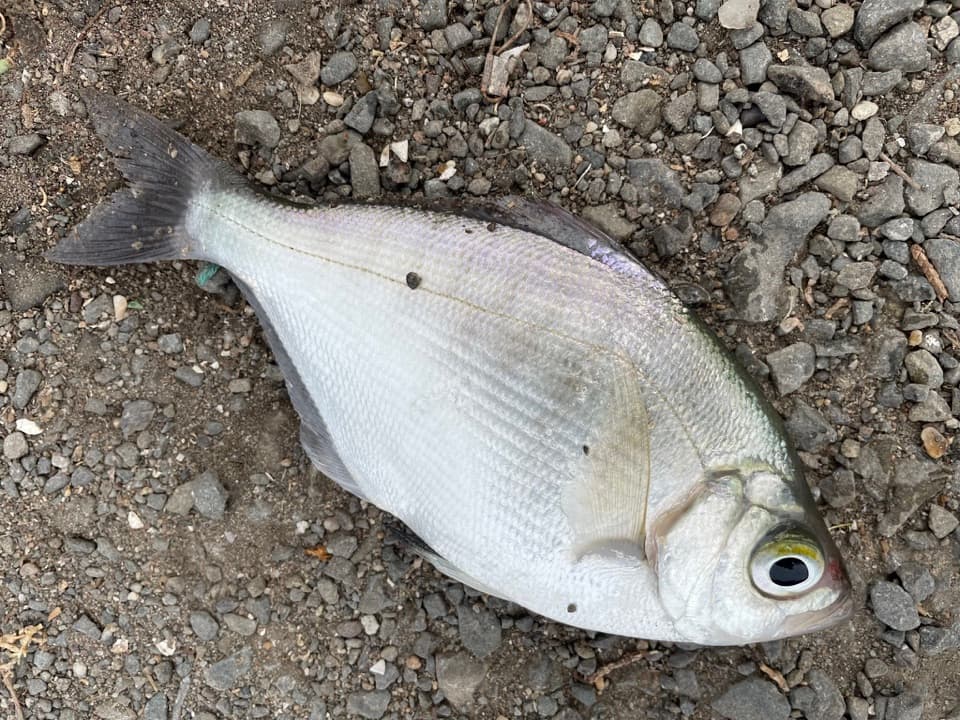
Walleye Surfperch
Hyperprosopon argenteum
A schooling surfperch recognized by its enormous reflective eyes and distinctive black-tipped pelvic fins.
Monthly Seasonality & Run Timing
12-Month CalendarAbundant in winter surf and mid-pier.
Heavy winter schools.
Active cool-water bite.
Steady action.
Schools thin slightly.
Summer lull.
Summer lull.
Slow.
Slow.
Autumn return.
Winter schools arrive in force.
Peak winter action.
Feeds predominantly in the midwater habitat.
Active feeding thermal band in SoCal.
Peak bite frequency during tide movement.
Optimal lighting and foraging activity.
California Fish & Wildlife Regulations
No minimum size limit.
20 surfperch in combination, but not more than 10 of one species (max 10 Walleye Surfperch).
- 14 CCR § 28.59:View official California Department of Fish and Wildlife regulation ↗· reviewed 2026-08-28
Recommended Terminal Rigs for Walleye Surfperch
Tested terminal configurations, mainline, leader diameters, and hook sizes.
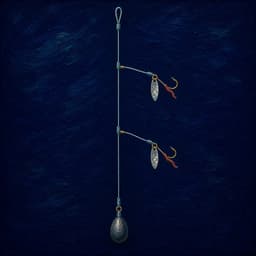
Light Two-Hook Flasher Rig
Light mono dropper loop with small baited hooks fished mid-depth in surf troughs.
Where to Fish for Walleye Surfperch in SoCal
10 Piers & Jetties in Pier Scout“Sand crabs, mussels, or bloodworms fished close to the pilings.”
“Fish sand crabs, worms, or mussel on lighter tackle over the west-side sandy stretches and pocket water beside the inshore rocks.”
“Sand crabs, pile worms, fresh mussel, market shrimp, or small grubs in the base surf and along the piling line.”
“Sand crabs, worms, or mussel pieces near the inshore surf edge and along piling-adjacent water.”
“A small piece of anchovy or sea worm fished mid-depth around the piling transition is the setup Pier Fishing in California specifically calls out for walleye surfperch here.”
“Sand crabs, fresh mussel, bloodworms, pile worms, or small shrimp baits near the surf zone and along the piling line.”
“Small hooks fished mid-depth around the middle and outer pier; the local source specifically calls out small anchovy pieces.”
“Small hooks baited with bloodworm, mussel, or sand crab near the inner pocket and piling line; keep casts close to structure rather than the deepest outer water.”
“Small hooks baited with mussel, sand crab or bloodworm near pilings and the inshore sand.”
“Sand crabs, mussel, or bloodworms on a light high/low rig near pilings, the channel seam, or the shallow beach-side rail.”