

Photo: Donald Davesne · CC BY 4.0 · 1/2
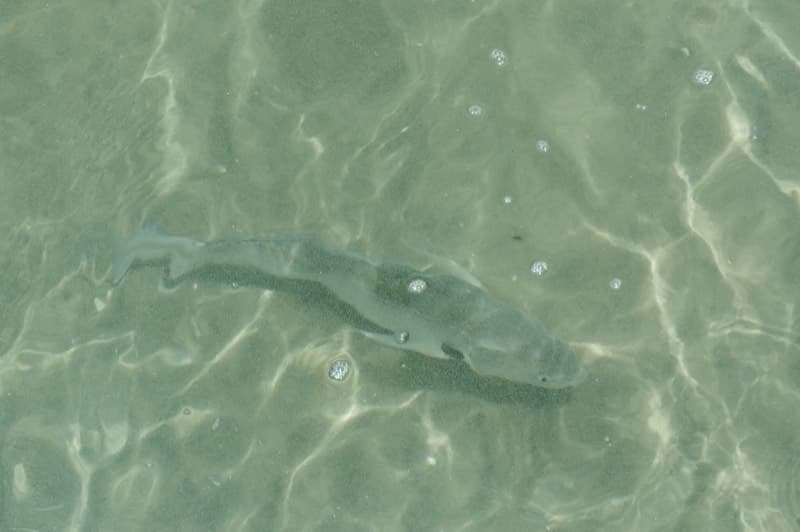
Spotfin Croaker
Roncador stearnsii
The heavyweight champion among California croakers, capable of growing over 8 pounds. Readily identified by a distinct black spot at the base of the pectoral fin.
Monthly Seasonality & Run Timing
12-Month CalendarDeeper bay/offshore winter holding.
Slow winter bite.
Occasional early fish in shallow bay mud.
Water warming.
Movement onto pier sand flats.
Solid summer inshore presence.
Peak summer spawning action on ghost shrimp.
Heavy evening runs along surf and mid-pier.
Large trophy spotfins active on warm evenings.
Tapering off.
Winter retreat.
Winter lull.
Feeds predominantly in the bottom habitat.
Active feeding thermal band in SoCal.
Peak bite frequency during tide movement.
Optimal lighting and foraging activity.
California Fish & Wildlife Regulations
No minimum size limit under general finfish rules.
10 fish per day within the 20-finfish general combined limit.
- 14 CCR § 27.60:View official California Department of Fish and Wildlife regulation ↗· reviewed 2026-08-28
Recommended Terminal Rigs for Spotfin Croaker
Tested terminal configurations, mainline, leader diameters, and hook sizes.
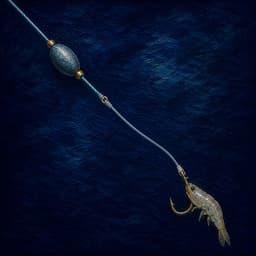
Sliding Egg Bottom Rig
Sliding egg sinker rig on medium tackle designed for hefty 3–6 lb spotfins.
Where to Fish for Spotfin Croaker in SoCal
7 Piers & Jetties in Pier Scout“Sand crabs or clams on the bottom in the surf zone.”
“Try mussel, ghost shrimp, bloodworm, or market shrimp on the sandy inshore bottom and around the first piling clusters.”
“Work a small bottom bait in the sandy inshore water; spotfin croaker are specifically reported from the surf to about one-quarter of the pier.”
“Sand crabs, mussel, clams, or bloodworms on bottom in the inshore surf zone.”
“Fresh mussel, sand crabs, ghost shrimp, or bloodworms on the sandy bottom near the tide line.”
“Fish sand crabs, ghost shrimp, bloodworms, or fresh mussel on the sandy bottom just past the surf; the local report calls this transition a top croaker area.”
“Ghost shrimp, mussel, or clam on the calmer beach/ocean side near the inner and mid shelf.”