

Photo: Donald Davesne · CC0 · 1/2
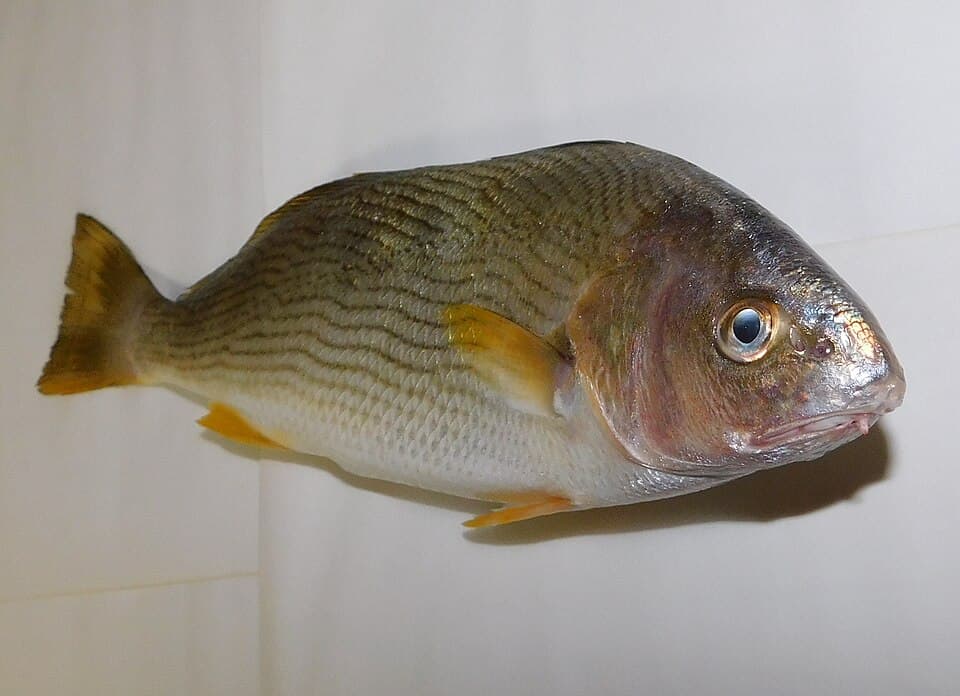
Yellowfin Croaker
Umbrina roncador
A beautiful golden-yellow inshore croaker common along sandy beaches, pier pilings, and harbor entrances during the warm summer months.
Monthly Seasonality & Run Timing
12-Month CalendarCold water inactivity.
Winter lull.
Occasional catch on deep pier sections.
Spring warmup begins.
Movement into mid-pier and surf zones.
High catch rates on warm summer evenings.
Prime inshore croaker action across SoCal.
Excellent night fishing around pier lights.
Late summer feeding frenzy.
Gradual cooling slows activity.
Retreat to deeper waters.
Winter lull.
Feeds predominantly in the bottom habitat.
Active feeding thermal band in SoCal.
Peak bite frequency during tide movement.
Optimal lighting and foraging activity.
California Fish & Wildlife Regulations
No minimum size limit under general finfish rules.
10 fish per day within the 20-finfish general combined limit.
- 14 CCR § 27.60:View official California Department of Fish and Wildlife regulation ↗· reviewed 2026-08-28
OEHHA advisory south of Seal Beach: max 2 servings/week for women 18–45/children; 2 servings/week for women 45+/men.
Read official OEHHA Southern California advisory guidelines ↗Recommended Terminal Rigs for Yellowfin Croaker
Tested terminal configurations, mainline, leader diameters, and hook sizes.
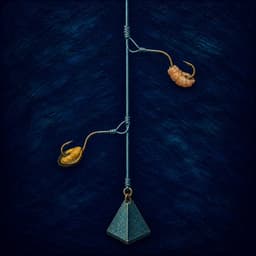
High-Low Croaker Dropper
Standard 2-hook dropper loop rig holding fresh bait right above the bottom.
Where to Fish for Yellowfin Croaker in SoCal
8 Piers & Jetties in Pier Scout“Use fresh mussels, clams, sand crabs, bloodworms, or shrimp on the sandy bottom; local reporting places them from the surf zone through mid-pier, especially in summer and fall.”
“Bloodworms/lugworms, fresh mussel, ghost shrimp, market shrimp, or cut anchovy on a small high/low rig in the inner pocket and shallow walkway water.”
“Small high/low rigs with sand crabs, mussel, worms, or shrimp in the permitted shallow south-side rail water.”
“The local pier report lists yellowfin croaker among the inshore catch; use a small baited hook in the surf-zone area.”
“Mussel, sand crabs, or anchovy pieces fished over the sandy bottom.”
“Sand crabs, mussels, or bloodworms fished on bottom over the sandy inshore zone.”
“Sand crabs, mussel, clams, or bloodworms on bottom in the inshore surf zone.”
“Small pieces of mussel, clam, or shrimp fished near the shallow river-mouth sand edge.”